Poxye Display Font for Web Design and Branding Projects
I was mid-build on a client’s new brand identity — a full-site redesign paired with a small product line launch — when I realized the headline typeface I had mocked up felt too stiff. The brand needed personality. It needed something with presence but also warmth. That is exactly when I pulled Poxye into the project. As a web designer who works closely with creative entrepreneurs and handmade sellers, I test a lot of display fonts. Some look great in the preview panel but fall apart in real use. Poxye surprised me. This bold, modern sans serif font with playful flair landed beautifully across every touchpoint I threw at it — from hero headlines on a homepage to product labels and social media templates. In this review, I will walk through how Poxye performs in real web design, digital branding, and physical product applications, and share why I believe it deserves a spot in any maker or designer’s font library.
Poxye as a Bold Display Font for Modern Website Headlines
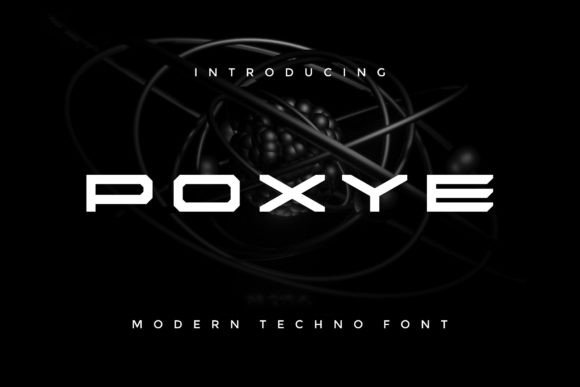
When I first opened Poxye in my design software, I noticed right away that this display font carries serious visual weight without feeling heavy. The letterforms are clean and rooted in sans serif structure, but there is a playful lift in the curves and terminals that keeps it from looking corporate. I tested Poxye as a hero headline on a lifestyle brand homepage mockup, and the results were immediate. The font commands attention. At large sizes — think 60px and above — Poxye becomes the focal point of the page. It has that rare quality of being both readable and memorable. For web designers who need a headline font that stops the scroll without sacrificing clarity, Poxye delivers. I also tested it on a mobile viewport at 36px, and the letter spacing held up cleanly. No awkward collisions, no lost detail. That is critical when you are designing responsive sites where typography must flex across devices.
For landing pages, product launch announcements, and boutique e-commerce headers, Poxye brings a confident, contemporary energy. It does not fade into the background. If you are building a site for a handmade brand or a creative shop, Poxye can anchor your visual hierarchy and give your typography a distinct voice right from the first fold.
Using Poxye for Logo Design and Digital Brand Identity
Logo design is where a display font like Poxye truly gets to shine. I tested it in several wordmark concepts for a mock boutique gift shop, and the font adapted well to both all-caps and title-case treatments. The bold weight gives it a grounded, trustworthy feel, while the subtle playful details in characters like the lowercase "e" and "y" add a friendly touch that feels approachable. For a brand identity aimed at modern, design-conscious customers, Poxye strikes a nice balance between professional and personable.
I also tested Poxye as part of a full brand lockup paired with a simple icon mark. The font scaled down well for smaller applications like favicon previews and social media avatar circles. That is not always the case with highly decorative display typefaces. Because Poxye stays readable even at reduced sizes, it works for secondary brand elements like taglines, navigation labels, and button text — as long as you keep the copy short. For longer sentences or dense paragraphs, you will want to pair it with a simpler sans serif companion. But for logos, monograms, and brand marks, Poxye holds its own beautifully.
Poxye in Social Media Graphics and Online Marketing Assets
Social media is one of the most demanding environments for typography. Graphics need to grab attention in a split second, often at small sizes on mobile screens. I created a set of Instagram story templates and quote cards using Poxye as the primary display typeface. At typical story sizes (1080x1920), the font remained crisp and legible. The bold weight helped the text stand out against both light and dark background treatments. I tested it layered over a photograph with reduced opacity, and the letterforms maintained their integrity without getting lost in the image texture.
For Pinterest pins, Facebook cover images, and email header graphics, Poxye brings a polished, editorial feel. It elevates standard marketing templates into something that looks professionally designed. If you are a handmade seller creating your own shop graphics, Poxye can help your branding feel cohesive across every platform. I also tested it in a simple animated title sequence using a basic fade-in effect, and the font rendered cleanly with no flickering or weight shifting. That matters when you are creating video content for reels or short-form promotions.
Poxye for Digital Product Mockups and Printable Templates
One of the biggest tests for any font in my workflow is how it performs inside digital product mockups. I build a lot of mockup templates for clients — everything from candle label previews to tote bag branding displays — and the right font makes the difference between a mockup that sells and one that falls flat. I used Poxye to create a series of product mockup titles for a hypothetical home decor line. The font sat beautifully on jar labels, hang tags, and box packaging renders. At the sizes typically used for product photography mockups — around 24px to 48px depending on the product — Poxye stayed sharp and readable.
For printable wall art, Poxye works especially well for short quotes, single-word designs, and minimalist typographic posters. I tested a three-word print layout at 18x24 inches, and the font scaled up without losing its playful charm. The letter spacing felt natural, and the bold weight gave the design a strong visual anchor. For greeting cards, I used Poxye for the front message and kept the inside text clean with a simple sans serif companion. That pairing created a nice contrast while keeping the overall design cohesive. If you sell digital templates or printables, Poxye is a strong addition to your typeface toolkit.
Poxye Readability in Web Design and Small Format Applications
Readability is where many display fonts stumble, especially when used outside their comfort zone. I tested Poxye in several small-format contexts to see where it thrives and where it may need support. On a simulated product label at 14px, the bold weight remained legible but the playful character details started to compress. For very small text — think fine print, ingredient lists, or technical specifications — Poxye is not the best choice. That is not a flaw; it is simply the nature of a display typeface. Poxye is built for impact, not paragraphs.
Where Poxye truly excels is in short, scannable copy. Headlines, subheads, navigation items, call-to-action buttons, product names, and event titles all benefit from its confident presence. On a mock shop homepage, I used Poxye for the product category headers and a clean sans serif for the body text. The contrast made the page easy to scan and visually engaging. For web designers, this kind of typographic hierarchy is essential. Poxye gives you a tool to create clear visual separation without needing extra decoration or imagery.
Font Pairing with Poxye for Cohesive Digital Projects
No font works in isolation, and Poxye pairs best with typefaces that let it lead. In my testing, I found that a clean sans serif like Open Sans or Nunito provides a reliable body text companion. The contrast between Poxye’s bold, playful headlines and a neutral, readable body font creates a professional hierarchy that feels intentional. I also tested pairing Poxye with a simple serif font for editorial-style layouts. The combination worked well for blog headers and feature sections where I wanted a touch of sophistication.
For more creative projects, try pairing Poxye with a handwritten or script font for accent details. The contrast between the structured sans serif and a flowing script adds visual interest without clashing. I used this combination on a mock wedding invitation suite, with Poxye handling the couple's names and a script font for the decorative header. The result felt modern yet personal. When you are designing for clients or your own shop, having a reliable pairing strategy saves time and ensures consistency across your brand assets.
Poxye File Formats, Licensing, and Commercial Use for Designers
Before you commit to any font for client work or product creation, you need to check the included files and licensing terms. Poxye comes with the standard formats you would expect from a premium display font — typically OTF, TTF, WOFF, and WOFF2 for web use. I tested the web font versions in a local development environment, and they loaded quickly with no rendering issues across Chrome, Safari, and Firefox. For designers building sites for clients, having proper web font support is non-negotiable. Poxye covers that base.
For commercial use, always verify the specific license tied to your purchase. If you plan to use Poxye in physical products for sale — such as printed merchandise, packaging, or signage — confirm that the license covers commercial production. The same applies to digital products like templates, printables, and SVG-style designs. Most premium fonts offer standard and extended licensing options, so read the terms carefully before launching your shop. I always recommend keeping a copy of your font licenses organized in your project files for reference.
Multilingual support is another consideration. If your projects require accented characters or extended Latin sets, check that Poxye includes the glyphs you need. In my testing, the font handled common Western European accents cleanly, which makes it suitable for a broad range of English and European language projects. For designers working with global brands or multilingual content, this is a practical detail that can save you from last-minute font swaps.
Poxye has earned a permanent spot in my display font rotation. It brings personality without sacrificing professionalism, and it performs reliably across the digital and print applications that matter most to web designers and creative entrepreneurs. Whether you are building a brand from scratch, designing a shop site, or creating product mockups that convert, Poxye gives you a bold, modern foundation that your audience will notice and remember.